

SPACE is a Parent-Based Treatment Programme for Children and Teens with Anxiety or OCD
SPACE addresses your child's anxiety through you - they don't have to do anything
You might have only just heard about SPACE (which stands for Supportive Parenting for Anxious Childhood Emotions - it has nothing to do with outer space!), but it's been around for over a decade - and it works.
SPACE was developed by Dr. Eli Lebowitz at the Yale Child Study Center (part of the school of medicine at Yale University in the USA) to equip parents with the skills and tools to help their children overcome anxiety and OCD.
It's a structured, therapeutic programme for parents. Rather than your child needing to receive or participate in therapy, you as their parent/caregiver attend SPACE sessions. You'll be walked step-by-step through changing how you respond to your child's anxiety so they can feel less anxious and function better in the world.
Your child doesn't need to be willing to have therapy - and you don't need to try and make your child change
SPACE is a framework that targets the accommodation cycle rather than teaching your child coping skills and includes implementational support.
In a clinical trial, SPACE has been shown to be as effective as cognitive behavioural therapy for children (you can read the study here) but with the added benefit of improving people's relationships with their children.
There are thousands of SPACE providers around the world and places on the training programme for therapists sell out as soon as they're released.
There are almost 100 SPACE providers in the UK and SPACE is offered in some NHS trusts - you can read about how a pilot study in North Nottinghamshire Trust went here.
Want to hear how this looks in real life?
We recently joined the 'Just One Thing for Parents' podcast to talk about anxiety, why our instinctive responses can unintentionally keep it alive, and what our children really need from us when they're struggling.
Watch this 60-second clip from the conversation.
If you'd like to listen to the full episode, click here.
This Does Not Mean You're The Reason They're Anxious!
Your parenting is not why they're anxious. But parenting an anxious child is different and what works with non-anxious kids doesn't always work with anxious ones.
As their parent, you have a lot of influence on your child - even if it feels like you don't. Even though your parenting isn't why they're anxious, it also holds the key to helping them overcome it.
The secret is reducing accommodations and increasing support
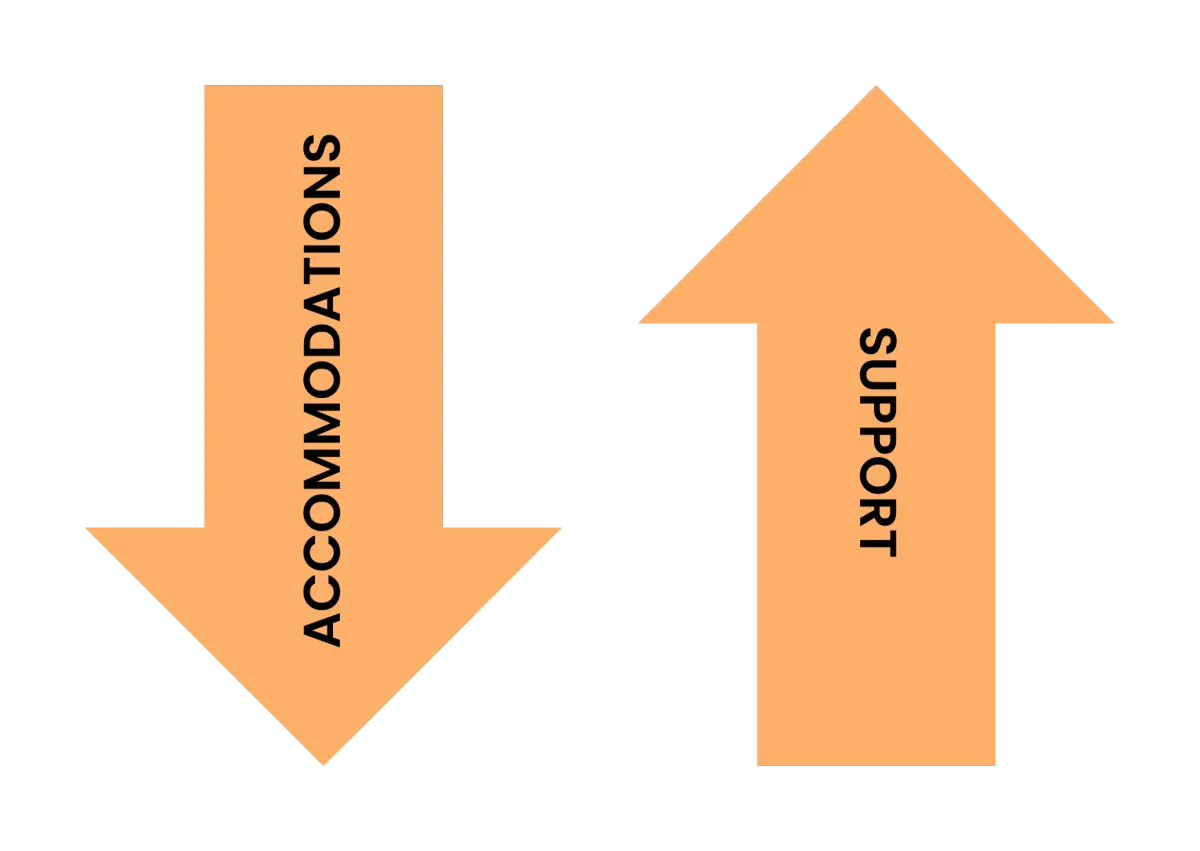
In the mental health world, we call all those small adjustments you make because of your child's anxiety 'accommodations'.
They feel like the right thing to do - they feel like the loving and compassionate thing to do - but while they might help in the moment, they can also keep anxiety locked in.
When your child is anxious, their brain is telling them they're in danger. Their nervous system is responding to the thought of telling the waiter what they'd like to eat the same way as if there were a tiger in the room.
When we adjust to help our child avoid something they find overwhelming - like placing their order for them - their brain gets the message that situation was indeed dangerous. That reinforces the pattern and keeps your child stuck in anxiety.
When, instead of accommodating that anxious thought or feeling, we step in with more support for our child to take on that scary thing and help them get through it - their brain gets the message that it wasn't dangerous and it doesn't need to raise the alarm next time.
We're reducing accommodations, not eliminating them
Accommodations can be helpful and can help your child build the capacity to cope. The skill is knowing which ones to reduce and when. If you've tried reducing accommodations before and it hasn't helped, SPACE will teach you how to reduce them so it does help.
Accommodating Anxiety Can Look Like:
Letting them stay home from school when they feel sick about going
Taking dinner up to their room when they don't want to come down
Speaking for them when they can't manage it themselves
Staying on the phone with them so they feel reassured
Re-explaining the plan over and over
Having them skip parties
Only giving them the plate they're comfortable with
Check how much you're accommodating your child's anxiety
Accommodating our child's anxiety is normal. Understanding how much we're accommodating is one of the first steps to changing how we do it.
If you'd like to take the SPACE anxiety accommodations audit and see how accommodations are impacting your family, click the button below and you can download our free assessment.
Is SPACE right for you?
SPACE is designed for parents and caregivers of children of any age with anxiety and/or OCD. As a parent-led intervention, it's for parents who are willing to make a positive change to support their children.
It's ideal for busy parents as it's a time-limited learning process that can be as fast as 5 weeks in a group setting and can happen during your lunch break.
Because it focuses on parents, it doesn't matter whether your child is in therapy or not. SPACE can be the only thing you do, if your child isn't willing or able to be in their own treatment, or you can add SPACE and support your child's individual therapy.
If you've tried other interventions before and they haven't helped as much as you'd hoped, SPACE is a very different type of approach that's research-backed and evidence-based. It will equip you with skills that will help you and your child in the long term and also support your relationship with your child.
SPACE works for all kinds of anxiety
Separation anxiety
Social anxiety
Generalized anxiety
Fears and phobias
Panic disorder
Agoraphobia
Selective mutism
OCD
SPACE doesn't just work for anxiety and OCD
SPACE is also highly effective for Avoidant/Restrictive Food Intake Disorder (ARFID) and young adults who have failed to launch (I'm one of only a handful of providers trained in these specialisms in the UK).
Not sure where to start?

Download our accommodation assessment. It only takes a few minutes to discover how much accommodating is impacting your family.

Learn more about working with us. We offer SPACE in a group setting or 1:1. All our programmes are on Zoom so you can join us from wherever you are.

Book a free 20 minute consult call. We can talk about whether SPACE is the right step for you and which format of the programme would be the best fit.
© Will Sessions 2026 All Rights Reserved